Designing A Room That Can Age
A guide to choosing materials, silhouettes, and lighting decisions that still feel grounded years later.
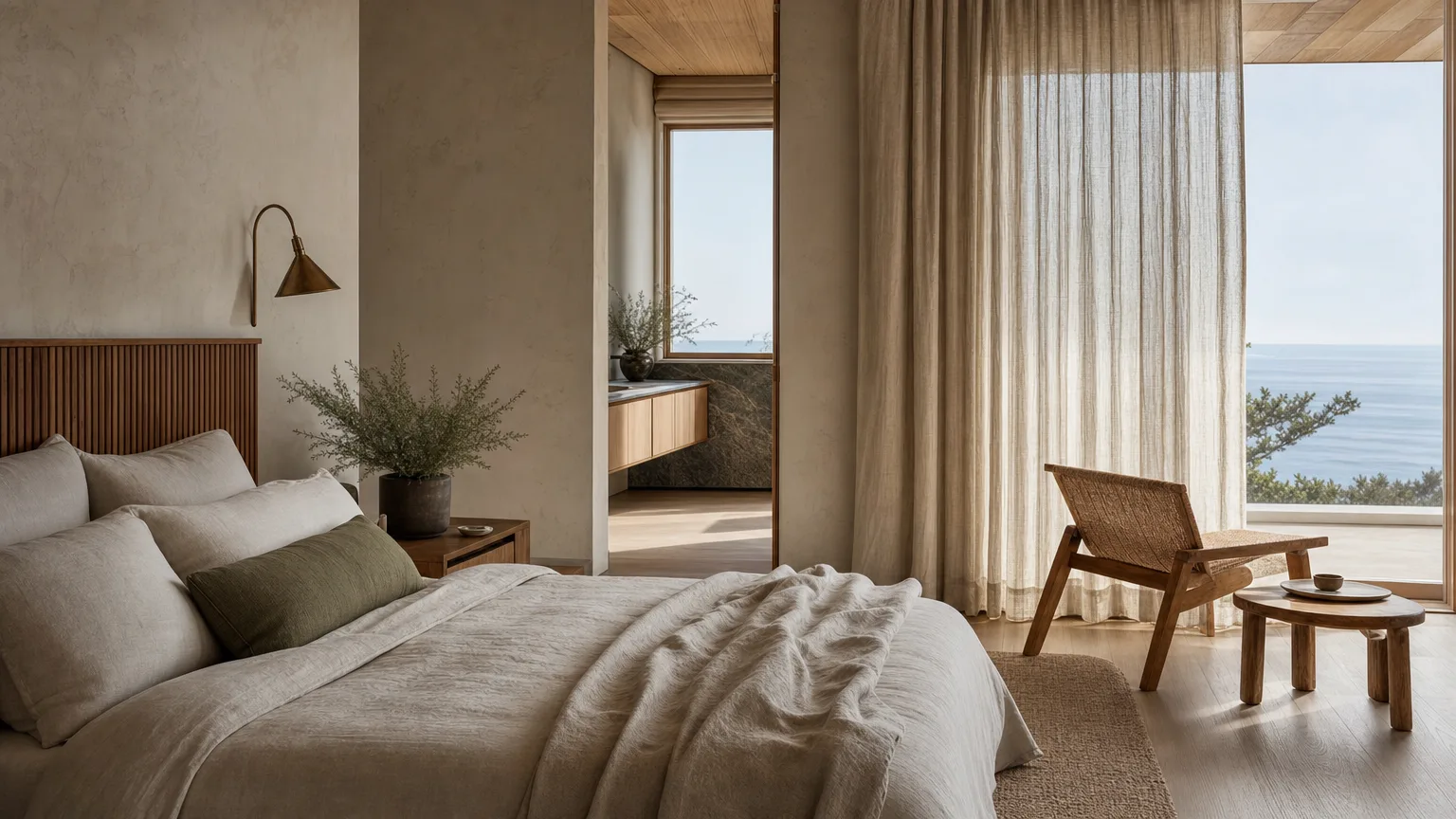
A guide to choosing materials, silhouettes, and lighting decisions that still feel grounded years later.
Give the room a longer horizon
A room that ages well is not frozen in a period. It has enough structure to hold new objects, different routines, and the small marks of daily use without losing its center.
Choose materials that can take touch
Honed stone, oiled wood, woven linen, unlacquered metal, and limewash all record time differently. The point is not patina as a style cue. The point is choosing surfaces that can be cleaned, repaired, and understood after the first photograph is gone.
Keep silhouettes quiet
The strongest pieces in a long-lived room tend to have plain lines, honest scale, and one clear job. A chair can be generous without being theatrical. A cabinet can hold the wall without asking to become the story.
Light for ordinary hours
Aging is tested at 7 a.m. and 9 p.m., not only in afternoon sun. Use fewer fixtures with better placement: task light where hands work, low light where people gather, and enough darkness for the room to rest.
Edit before adding
When a room starts to feel tired, the first move is usually subtraction. Remove the object that is doing too much, repeat the material that already works, and let one detail carry the room forward.